The Ultimate UX Makeover // How AI & Machine Learning Are Transforming User Experience
The Ultimate UX Makeover // How AI & Machine Learning Are Transforming User Experience
The Ultimate UX Makeover // How AI & Machine Learning Are Transforming User Experience
The Ultimate UX Makeover // How AI & Machine Learning Are Transforming User Experience
The Ultimate UX Makeover // How AI & Machine Learning Are Transforming User Experience
The Ultimate UX Makeover // How AI & Machine Learning Are Transforming User Experience
Discover the mind-blowing potential of AI and Machine Learning as they revolutionize User Experience like never before!

Introduction
Technology has transformed the way we interact with the world, and User Experience (UX) design plays a crucial role in ensuring seamless and intuitive interactions. As technology evolves, so do the expectations and demands of users. To meet these evolving needs, the field of UX design is increasingly embracing the power of artificial intelligence (AI) and machine learning (ML). This blog post explores how AI and ML are revolutionizing UX, making it more personalized, anticipatory, and user-centric.
The Evolving Landscape of UX
UX design focuses on creating interfaces that are user-friendly and easy to navigate. However, with constantly evolving technologies and the need to cater to diverse user preferences, designers face significant challenges. This is where AI and ML come into play - they offer powerful tools to streamline and improve the UX design process. By applying AI and ML techniques, designers can create more intuitive and engaging interfaces that meet the expectations of modern users.
Collaboration between AI and UX Designers
AI and UX designers can work collaboratively to harness the full potential of AI in UX design. AI can analyze large sets of user data, enabling designers to understand user behavior patterns better. This knowledge can inform design choices, enabling more effective visualization and interaction. The collaboration between AI and UX designers leads to improved personalization, predictive analytics, and ultimately, enhanced user satisfaction.
Personalization and Customization
Personalization is a growing expectation among users. AI and ML technologies can analyze vast amounts of data, allowing for personalized experiences tailored to individual preferences. By understanding users' unique preferences, AI-driven interfaces can deliver curated content, recommendations, and product suggestions. This personalized approach enhances user engagement, loyalty, and overall satisfaction.
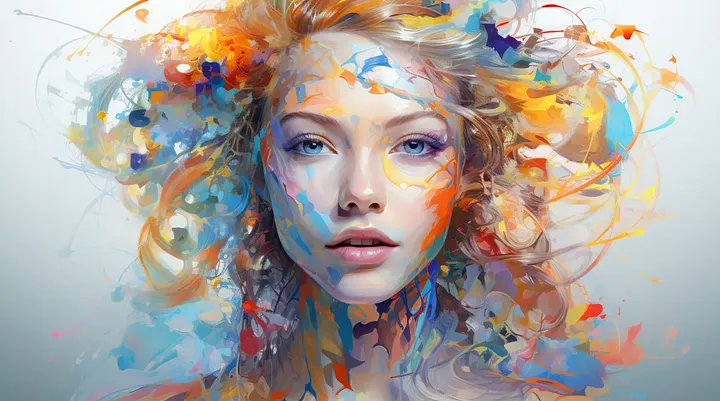
AI generative image tools
These tools leverage deep learning and generative adversarial networks (GANs) to generate images. Keep in mind that the landscape of AI tools is continuously evolving, so there may be new tools that have emerged since my last update.
Here are some of the top AI generative image tools:
Runway ML: Runway ML is a creative toolkit that includes a variety of AI models, including those for generating images, style transfer, and more. It provides an accessible way for artists and designers to harness the power of AI for their work.
Deep Dream Generator: Deep Dream Generator allows users to apply Google’s DeepDream algorithm to their images, creating surreal and dream-like visuals.
Artbreeder: Artbreeder is a popular platform that enables users to create art by blending and evolving images. It uses GANs to generate images based on user input and preferences.
DALL-E: DALL-E, created by OpenAI, is known for its ability to generate images from textual descriptions. It can create unique and imaginative visuals based on written prompts.
Runway ML: Runway ML is a creative toolkit that includes several AI models for generating images, animations, and more. It’s user-friendly and widely used by creative professionals
Predictive Analytics and Anticipatory Design
One of the most significant advantages of incorporating AI and ML in UX design is their ability to predict user needs and desires. Anticipatory design harnesses the power of AI algorithms to proactively offer relevant suggestions and solutions. By analyzing user patterns and behaviors, AI-driven interfaces can provide a seamless and intuitive user experience. This proactive approach elevates UX design to a new level, making user interactions more effortless and enjoyable.
Ethical Considerations and Challenges
Though the integration of AI into UX design offers numerous opportunities, there are also ethical considerations to address. Privacy concerns, biases in algorithms, and other potential ethical implications need to be carefully examined and mitigated. Responsible AI applications should prioritize human-centered design principles and prioritize the protection of users' privacy and well-being.
The Roadmap for Implementing AI and ML in UX Design
Implementing AI and ML in UX design requires a well-defined roadmap. UX designers must stay abreast of the latest AI advancements and industry best practices. The integration process should involve iterative testing and gathering feedback from users to validate and refine AI-driven solutions. By following a systematic approach, designers can ensure the seamless adoption and effective implementation of AI and ML technologies in their UX design process.
The Future Possibilities of AI in UX
The future possibilities of AI in UX are vast and exciting. Emerging technologies like natural language processing and computer vision have the potential to reshape the way users interact with technology. AI-driven virtual assistants and chatbots can provide personalized, human-like interactions, enhancing the overall user experience. As AI continues to evolve, there will be endless opportunities for UX designers to create more meaningful and intuitive experiences.
Conclusion
The integration of AI and ML in UX design is transforming the way users interact with technology. AI-powered interfaces enable personalization, proactive anticipation, and enhanced user-centric experiences. However, ethical considerations and responsible design practices are essential to ensure the protection of users' privacy and well-being. As the field of UX design continues to evolve, embracing and exploring the potential of AI and ML will be key to creating intuitive, seamless, and user-friendly experiences in the future.
Transform Your User Experience with AI and Machine Learning! Stay Informed with Our Newsletter on the Latest UX Makeover Techniques! Any thoughts? Ideas, do you agree or disagree? Let me know! As I always want to know.
Thanks for your time.
Until we read again. 🖖
Yours Dayyan ali — me.
Related posts
Nov 2023
Designing for Accessibility: A UI/UX Designer's Guide
Explore the art of designing for accessibility in this comprehensive UI/UX guide. From color schemes to keyboard accessibility, learn how to craft inclusive interfaces that cater to all users.


Nov 2023
Designing for Accessibility: A UI/UX Designer's Guide
Explore the art of designing for accessibility in this comprehensive UI/UX guide. From color schemes to keyboard accessibility, learn how to craft inclusive interfaces that cater to all users.
Nov 2023
Designing for Accessibility: A UI/UX Designer's Guide
Explore the art of designing for accessibility in this comprehensive UI/UX guide. From color schemes to keyboard accessibility, learn how to craft inclusive interfaces that cater to all users.
Nov 2023
Minimalism in UI Design // More Than Just Aesthetics
Uncover the depth of minimalism in UI design beyond its visual allure. Explore how simplicity enhances user experiences, from streamlined navigation to the psychological impact of minimalist interfaces.

Nov 2023
Minimalism in UI Design // More Than Just Aesthetics
Uncover the depth of minimalism in UI design beyond its visual allure. Explore how simplicity enhances user experiences, from streamlined navigation to the psychological impact of minimalist interfaces.
Nov 2023
Minimalism in UI Design // More Than Just Aesthetics
Uncover the depth of minimalism in UI design beyond its visual allure. Explore how simplicity enhances user experiences, from streamlined navigation to the psychological impact of minimalist interfaces.