Minimalism in UI Design // More Than Just Aesthetics
Minimalism in UI Design // More Than Just Aesthetics
Minimalism in UI Design // More Than Just Aesthetics
Minimalism in UI Design // More Than Just Aesthetics
Minimalism in UI Design // More Than Just Aesthetics
Minimalism in UI Design // More Than Just Aesthetics
Uncover the depth of minimalism in UI design beyond its visual allure.

Introduction
In the dynamic realm of UI design, minimalism transcends mere aesthetics; it embodies a philosophy that fosters clarity, simplicity, and enhanced user experiences. This exploration dives into the multifaceted aspects of minimalism, revealing its profound impact beyond visual appeal.
The Essence of Minimalism in UI Design
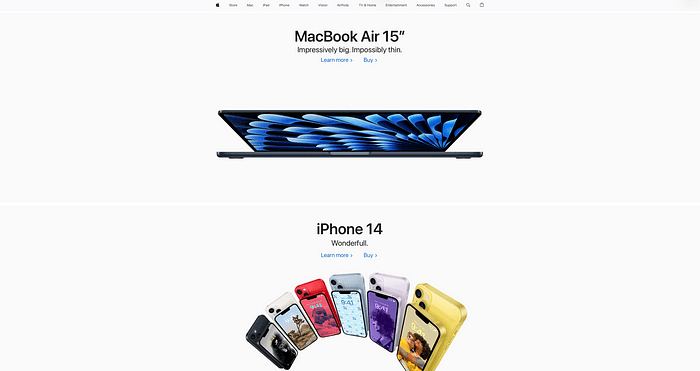
White space is not merely empty; it's a deliberate design choice. By strategically incorporating white space, designers provide visual breathing room, allowing users to focus on key elements without distraction. This enhances overall readability and comprehension.
Streamlined Navigation for Intuitiveness
A minimalist UI often translates into simplified navigation. Clear and concise menus, straightforward hierarchies, and intuitive pathways contribute to a seamless user experience, reducing cognitive load.
Typography as a Design Element
Minimalist design extends to typography choices. Selecting clean, readable fonts contributes to an uncluttered aesthetic. Consistency in font sizes and styles fosters a cohesive visual identity, enhancing the overall user interface.
Functionality Over Ornamentation
Minimalism prioritizes functionality over unnecessary embellishments. Every element in the UI serves a purpose. This design philosophy aligns with the user-centered approach, ensuring that every interaction adds value to the user experience.
Color Palette Simplicity
A minimalist color palette is not about restriction but about intentional choice. Limiting the color scheme contributes to a cohesive visual identity and aids in guiding user attention. Each color is purposeful, enhancing the overall design harmony.

Enhancing Focus with Microinteractions
Subtle microinteractions can elevate a minimalist UI. Thoughtful animations, transitions, and feedback elements guide users seamlessly through the interface, providing a more engaging and satisfying experience.
Adapting to Responsive Design Principles
Minimalism aligns inherently with responsive design principles. Interfaces designed with minimalism in mind are often more adaptable to various screen sizes and devices, ensuring a consistent experience across platforms.
The Psychological Impact of Minimalism
Beyond the visual realm, minimalism has a psychological impact. It fosters a sense of calm, reduces cognitive overload, and enhances user confidence in navigating the interface. Users feel in control and empowered.
Striking the Balance Between Minimalism and Functionality
While minimalism seeks simplicity, it should not compromise functionality. Striking the right balance is an art, and designers must carefully consider user needs, ensuring that essential features remain accessible without sacrificing the minimalist ethos.
Conclusion
Minimalism in UI design is a harmonious blend of form and function. It's a philosophy that transcends visual aesthetics, embracing simplicity as a conduit for enhanced user experiences. As designers navigate the intricacies of minimalism, they discover that, indeed, less is often more.
Thanks for your time.
Until we read again. 🖖
Yours Dayyan ali — me.
Related posts
Dec 2023
The Ultimate UX Makeover: How AI and Machine Learning Are Transforming User Experience
Discover the mind-blowing potential of AI and Machine Learning as they revolutionize User Experience like never before!

Dec 2023
The Ultimate UX Makeover: How AI and Machine Learning Are Transforming User Experience
Discover the mind-blowing potential of AI and Machine Learning as they revolutionize User Experience like never before!
Dec 2023
The Ultimate UX Makeover: How AI and Machine Learning Are Transforming User Experience
Discover the mind-blowing potential of AI and Machine Learning as they revolutionize User Experience like never before!
Nov 2023
Designing for Accessibility: A UI/UX Designer's Guide
Explore the art of designing for accessibility in this comprehensive UI/UX guide. From color schemes to keyboard accessibility, learn how to craft inclusive interfaces that cater to all users.

Nov 2023
Designing for Accessibility: A UI/UX Designer's Guide
Explore the art of designing for accessibility in this comprehensive UI/UX guide. From color schemes to keyboard accessibility, learn how to craft inclusive interfaces that cater to all users.
Nov 2023
Designing for Accessibility: A UI/UX Designer's Guide
Explore the art of designing for accessibility in this comprehensive UI/UX guide. From color schemes to keyboard accessibility, learn how to craft inclusive interfaces that cater to all users.